

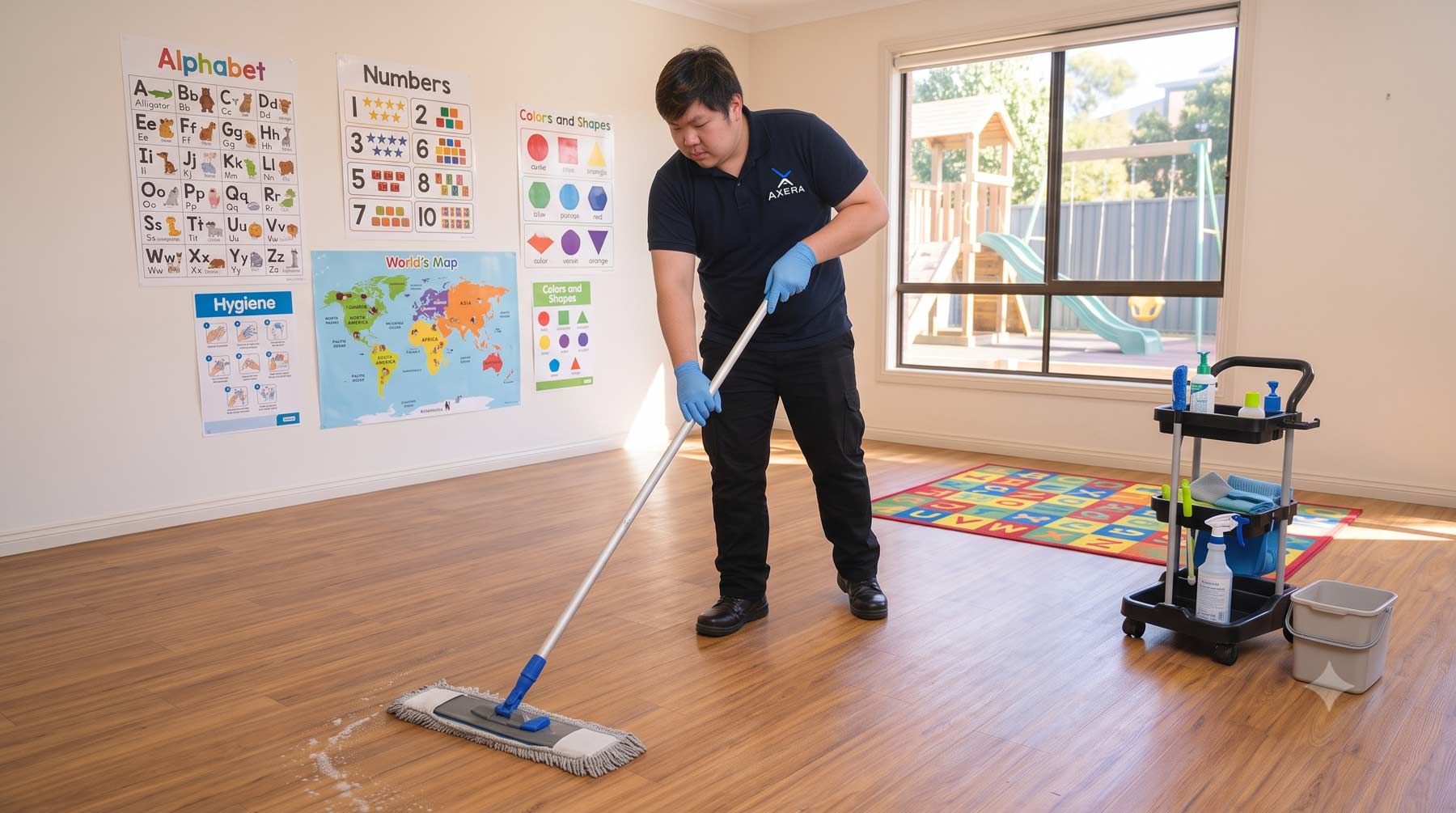
Maintaining a high standard of cleanliness in childcare centres is essential for the health, safety, and wellbeing of children, educators, and families. Young children are more vulnerable to bacteria, viruses, and allergens due to their developing immune systems and close-contact activities, making effective cleaning practices a critical part of daily operations. A professional childcare cleaning approach goes far beyond general tidying. It involves strict hygiene protocols, targeted disinfection, and attention to high-touch surfaces such as toys, tables, door handles, play equipment, and bathroom facilities. These areas require frequent cleaning throughout the day to reduce the risk of illness spreading among children and staff. Using child-safe, non-toxic cleaning products is also a key requirement. Harsh chemicals can pose health risks, especially in environments where children crawl, play on the floor, and frequently put objects in their mouths. Eco-friendly and hospital-grade disinfectants are often preferred to balance safety and effectiveness. Consistency is just as important as technique. Structured cleaning schedules—covering daily, weekly, and deep-cleaning tasks—help ensure no area is overlooked. This includes sanitising sleep areas, kitchen spaces, and outdoor play zones. Ultimately, a clean childcare centre is not just about appearance; it directly supports learning, development, and peace of mind for parents. A well-maintained environment helps children feel safe, stay healthy, and thrive in their early years.
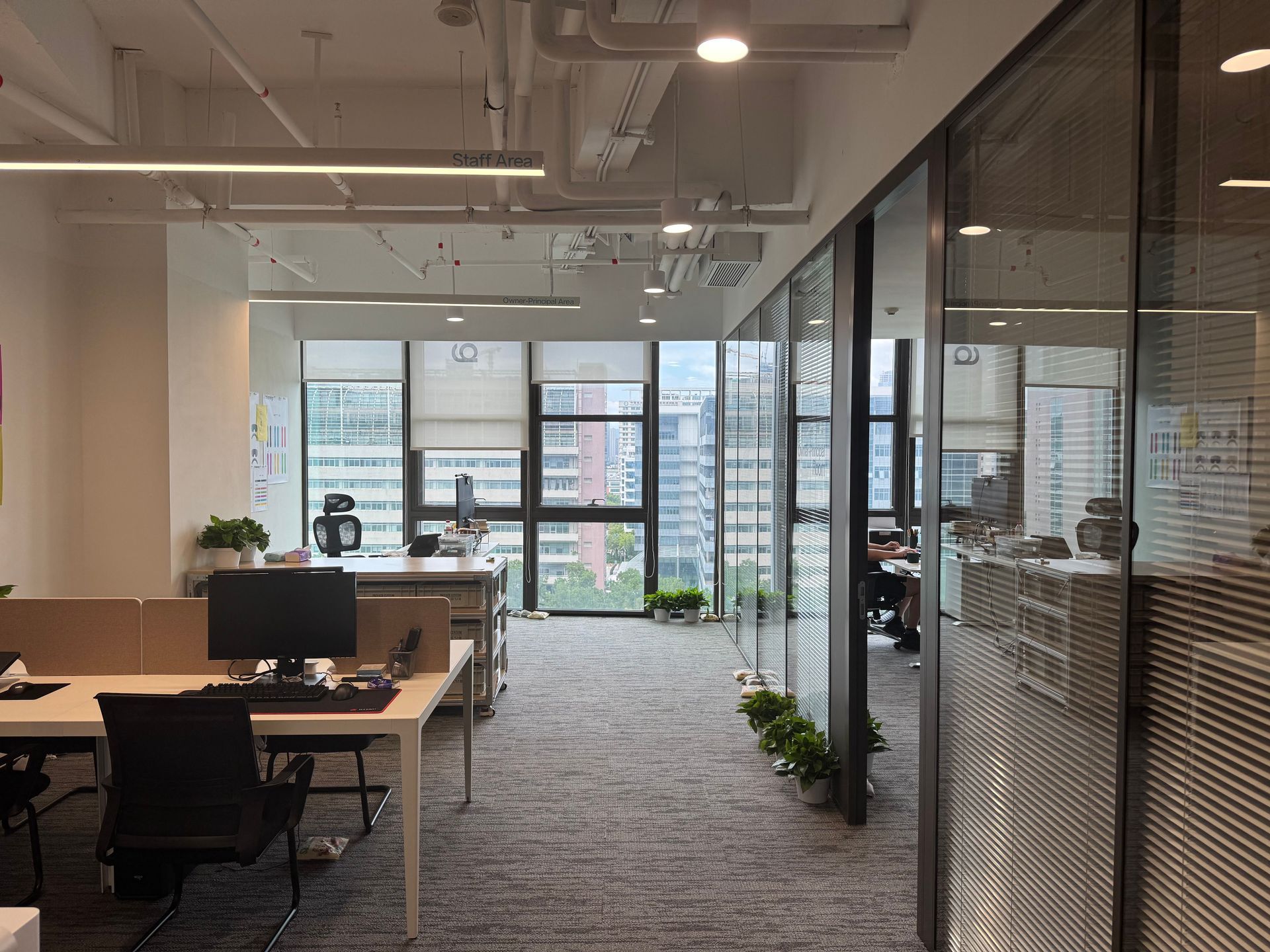
Warehouse cleaning is an essential part of maintaining a safe and efficient working environment in logistics, storage, and distribution facilities. Unlike standard commercial spaces, warehouses deal with heavy traffic, large equipment, dust accumulation, and constant movement of goods—making regular and structured cleaning critical. A clean warehouse directly contributes to workplace safety. Dust, debris, spilled materials, and cluttered walkways can quickly become hazards for staff operating forklifts and other machinery. Keeping floors clear and properly maintained reduces the risk of slips, trips, and workplace accidents, while also improving overall operational flow. High-level cleaning is also important in warehouse environments. Shelving units, racking systems, and storage areas often collect dust and residue over time, especially in large or open facilities. Regular cleaning helps protect stored goods from contamination and ensures stock remains in good condition. Another key aspect is floor maintenance. Industrial floors are subject to heavy wear and require frequent sweeping, scrubbing, and sometimes mechanical cleaning to remove oil, dust, and tire marks. Clean floors not only improve safety but also enhance visibility and efficiency in daily operations. Warehouse cleaning also supports compliance with workplace health and safety regulations. Maintaining a clean and organised facility helps businesses meet industry standards and avoid potential risks during inspections or audits. Ultimately, a well-maintained warehouse is more than just tidy—it is a productive, safer, and more reliable working environment. Consistent cleaning practices help businesses operate smoothly while protecting both staff and assets.
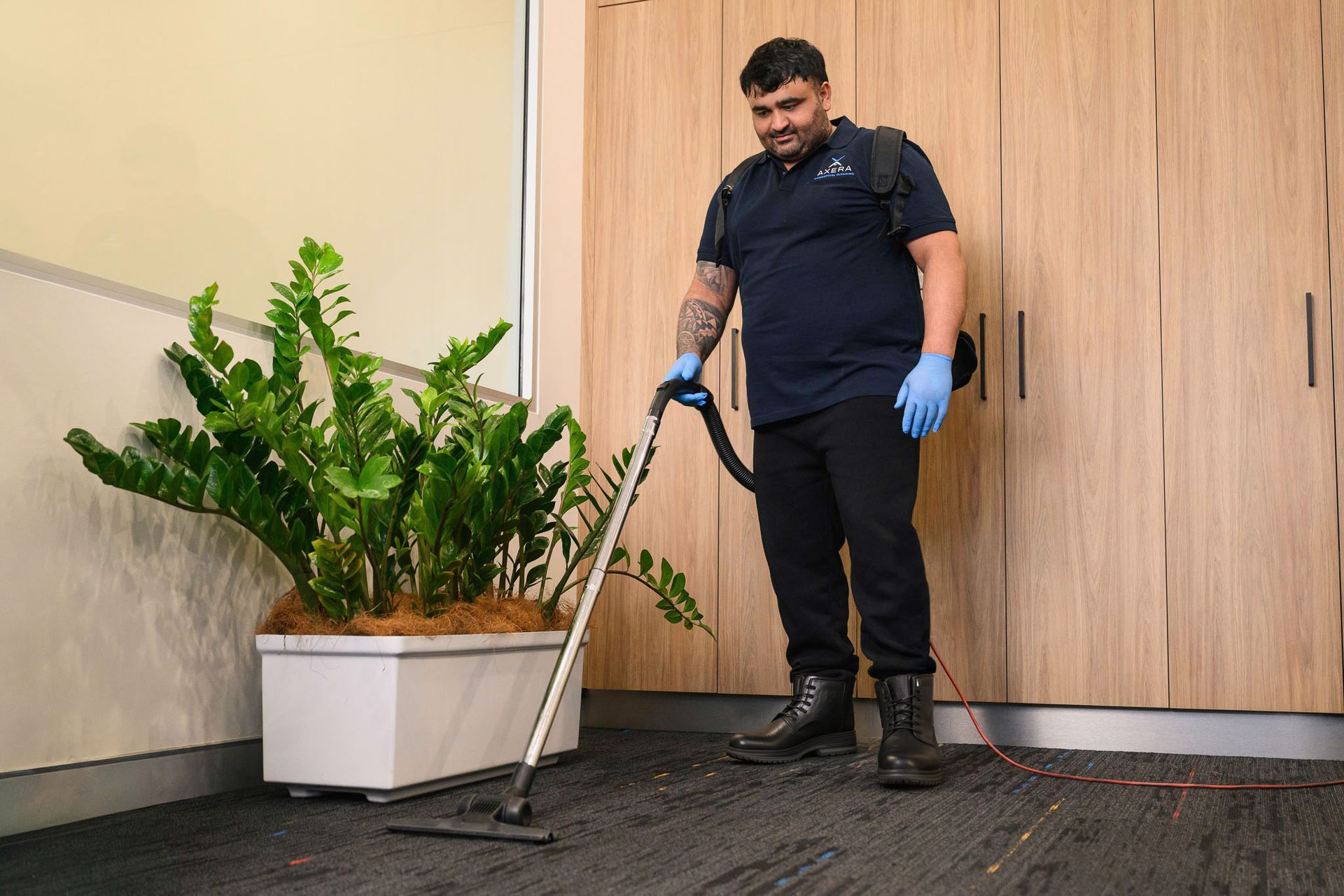
A clean office is more than just a pleasant environment—it directly impacts employee wellbeing, productivity, and the way clients perceive your business. In modern workplaces where staff share desks, meeting rooms, kitchens, and equipment, maintaining high hygiene standards has become essential rather than optional. | Professional office cleaning focuses on regularly sanitising high-touch areas such as keyboards, phones, door handles, lift buttons, and shared meeting spaces. These are the most common points where germs spread, especially in high-traffic workplaces. Consistent cleaning helps reduce employee sick days and supports a healthier work environment overall. Workplace kitchens and breakout areas also require special attention. These spaces can quickly become sources of bacteria if not properly maintained, particularly around sinks, fridges, and communal surfaces. Regular cleaning ensures a safe and hygienic space for staff to rest and recharge. Beyond hygiene, cleanliness also plays a major role in productivity and focus. A tidy, organised workspace reduces distractions and creates a more professional atmosphere where employees can perform at their best. It also leaves a strong impression on clients and visitors, reinforcing trust and credibility in your business. Effective office cleaning is usually structured around daily maintenance tasks and periodic deep cleaning schedules. This ensures that both visible cleanliness and long-term hygiene standards are consistently met. In the end, a well-maintained office reflects a company’s culture, attention to detail, and commitment to its people.